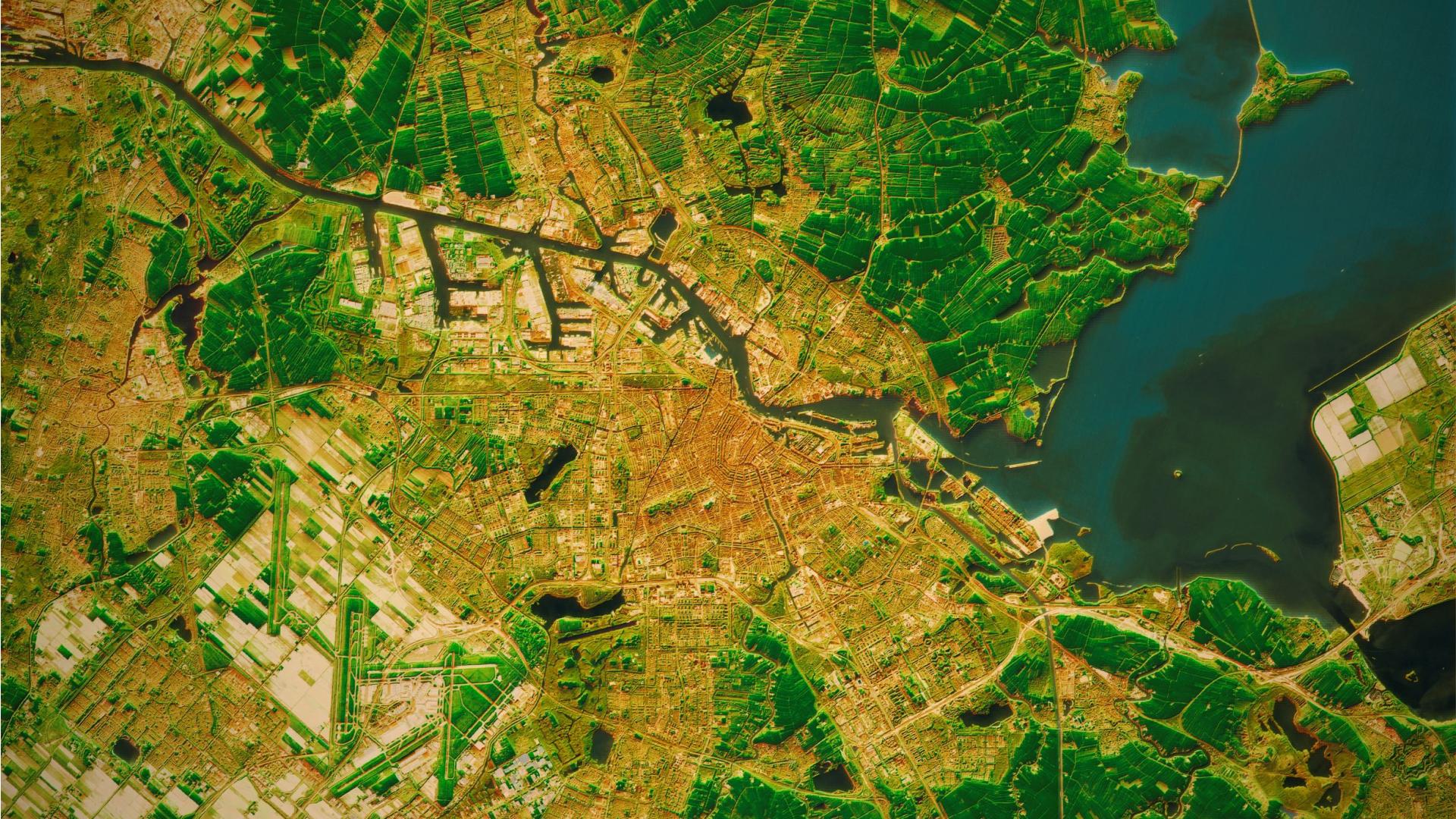
This project develops a reusable spatial agent-based modelling (S-ABM) framework for simulating health-related exposures and corresponding interventions. The framework allows researchers to build new simulation models by combining modular components, making it easier to study how behavioural and environmental interventions affect exposures to air pollution, heat stress, physical activity and diet.
The research has four primary objectives: (1) to define and structure the essential building blocks of spatial exposure and intervention models in a conceptual framework; (2) to modularize existing code, data, and modelling components based on this framework; (3) to generalize and validate the framework through a range of urban case studies, enabling the transfer of models under sparse-data conditions; and (4) to develop methods for assessing uncertainty and non-linearity in model outputs arising from variations in data inputs, behavioural models, and intervention designs.
By improving the simulation of the spatial external exposome and addressing the uncertainty in behavioural modelling, the resulting framework will provide more valid and robust methods for designing, testing, and evaluating health interventions using agent based modelling.

The environment we live in has a dominant impact on our health. It explains an estimated seventy percent of the chronic disease burden. Where we live, what we eat, how much we exercise, the air we breathe and whom we associate with; all of these environmental factors play a role. The combination of these factors over the life course is called the exposome. There is general (scientific) consensus that understanding more about the exposome will help explain the current burden of disease and that it provides entry points for prevention and ...
Read More