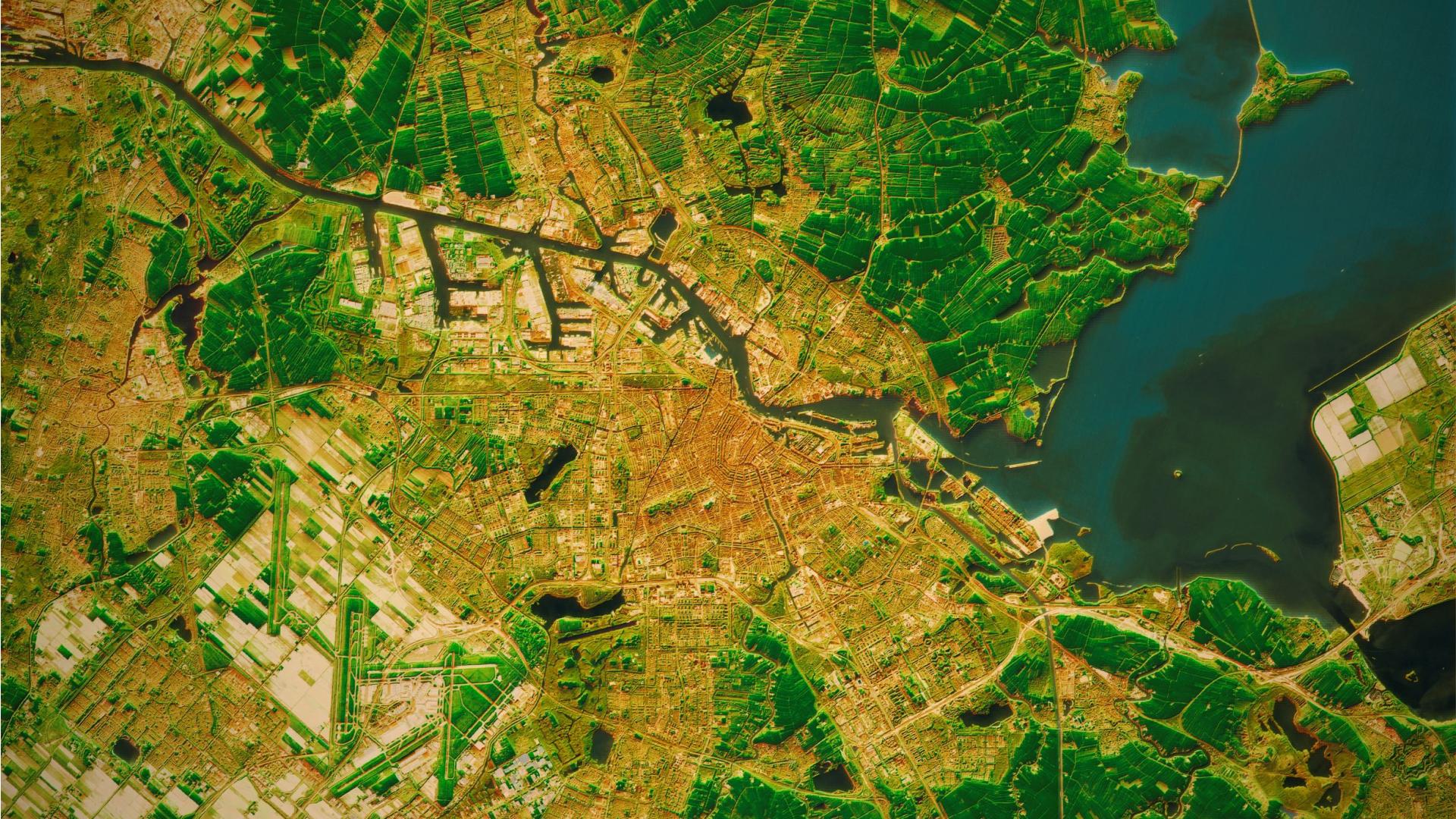
The increasing global burden of type 2 diabetes (T2D) calls for a better understanding of modifiable environmental factors such as neighbourhood walkability and food environments.
This project establishes causality in both the incidence and progression of T2D by applying causal inference methods to large-scale longitudinal datasets and exploring underlying biological pathways.
We leverage population data from Statistics Netherlands (CBS) to track how time-varying exposure to food environments influences T2D risk, while using causal inference models to validate associations with green space, noise, and walkability. Simultaneously, we mine the DIAMANT registry of 300,000 patients to determine if environmental factors drive disease progression and cardiovascular complications. Finally, by integrating an exposome-scan within a case-cohort framework, we isolate specific biomarkers that link environmental exposures to T2D. By fusing geographical data with clinical registries and advanced metabolomics, this study seeks to move beyond correlation to understand how the environment fundamentally shapes metabolic health.

The environment we live in has a dominant impact on our health. It explains an estimated seventy percent of the chronic disease burden. Where we live, what we eat, how much we exercise, the air we breathe and whom we associate with; all of these environmental factors play a role. The combination of these factors over the life course is called the exposome. There is general (scientific) consensus that understanding more about the exposome will help explain the current burden of disease and that it provides entry points for prevention and ...
Read More