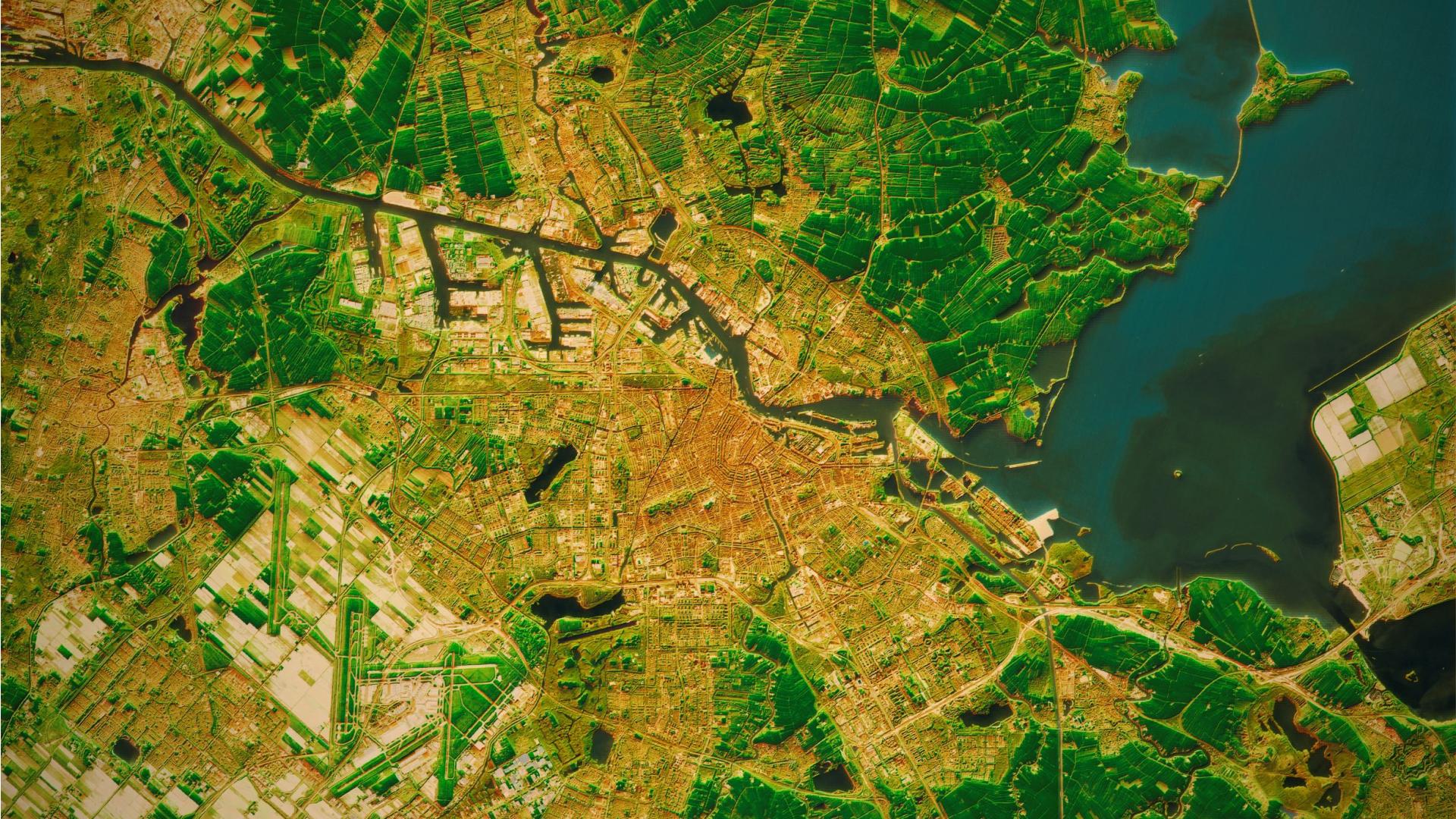
This project advances the panel study launched in phase 1, which characterizes the internal and external exposome of nearly 500 participants in the Netherlands. Over two-weekly study periods, participants provide detailed data on their living environments and health outcomes.
We capture these environmental metrics via GPS tracking, personal air pollution measurements, and specialized chemical-exposure wristbands, paring them directly with biological samples like faeces and blood. To capture granular data on dietary habits and the perceived environment, we deploy challenges. This stage is enriched by a collaboration with the European EXPANSE project, which allows for cross-country comparisons using data from Switzerland, Spain, Greece, and Poland.
In the second phase, we are analysing datasets from phase 1, while extending the panel study to ensure scientific robustness and repeatability. Data collection is further enhanced by new tools, including Garmin watches, glucose monitoring, and NO₂ samplers, alongside new research challenges focused on the social environment.

The environment we live in has a dominant impact on our health. It explains an estimated seventy percent of the chronic disease burden. Where we live, what we eat, how much we exercise, the air we breathe and whom we associate with; all of these environmental factors play a role. The combination of these factors over the life course is called the exposome. There is general (scientific) consensus that understanding more about the exposome will help explain the current burden of disease and that it provides entry points for prevention and ...
Read More